Due Diligence Checklist For Buying A Downtown Miami Condo
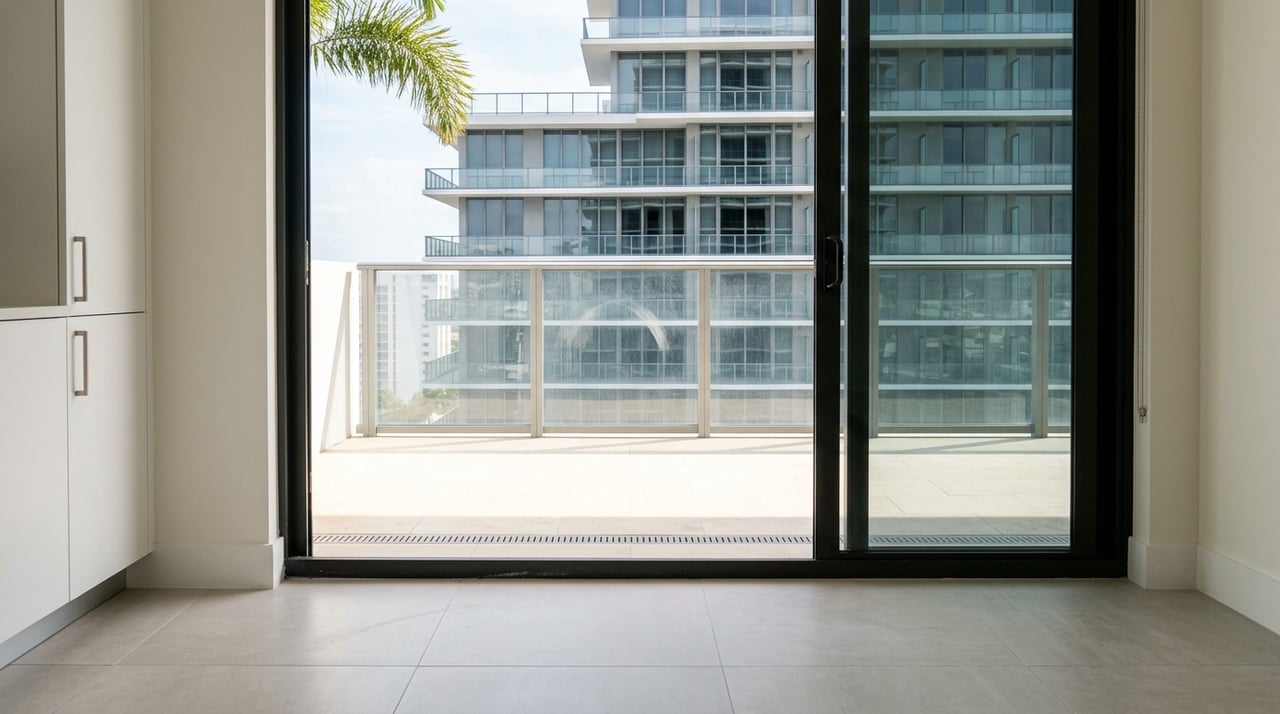
Buying a Downtown Miami condo can feel exciting right up until the paperwork starts stacking up. Between inspections, reserves, association rules, and rental restrictions, it is easy to focus on the views and finishes while missing details that could affect your costs and flexibility after closing. This checklist will help you understand what to review, what to request, and where buyers often run into trouble so you can move forward with more clarity and confidence. Let’s dive in.
In Downtown Miami, condo due diligence should begin with the building itself. A condo building may have several different documents tied to structural condition and long-term planning, and they do not all mean the same thing.
According to Miami-Dade County’s recertification guidance, buyers may come across Miami-Dade recertification reports, milestone inspection summaries, and structural integrity reserve studies, also called SIRS. These documents overlap, but they are not interchangeable, which is why it helps to ask for each one directly.
Miami-Dade recertification is triggered by building age. In general, buildings enter the process at 30 years and then every 10 years after that, while certain coastal condominium and cooperative buildings three stories or taller within three miles of the coastline follow a 25-year trigger if built on or after 1998, based on the county’s recertification requirements.
A current report is a strong starting point, but it is not the whole story. County guidance calls for review of items such as façade condition, structural glazing, permit history, foundation concerns, top-of-building conditions, and major electrical systems, which shows how detailed the process can be.
Before you finalize an offer, ask for:
Florida law requires associations to maintain official records that include inspection reports and building permits. If a building has passed an inspection, that matters, but it should still be paired with a review of reserves and future repair planning.
A monthly condo fee tells you very little by itself. What matters more is whether the association is funding repairs realistically and whether future costs are already building in the background.
Under Florida condominium law, condominium budgets must include reserve accounts for capital expenditures and deferred maintenance. Required reserve items can include roof replacement, painting, pavement resurfacing, and other qualifying items above the statutory threshold.
For buildings that must obtain a SIRS, reserve funding must follow the most recent study for the covered items. Those items include the roof, structure or load-bearing elements, fireproofing and fire protection systems, plumbing, electrical systems, waterproofing and exterior painting, and windows and exterior doors, among others listed in the statute.
For many older associations, the SIRS deadline was December 31, 2025. That means by 2026, if a building is subject to the statute, you should generally expect that study to exist under current Florida law.
Ask for these items early in the process:
These are all tied to documents buyers are entitled to review through resale disclosure requirements and association records rules, including the financial and inspection disclosures required in condo resale transactions.
Special assessments are one of the biggest issues condo buyers overlook. A building can appear stable on the surface while still carrying major planned costs for repairs, restoration, or code-related upgrades.
Florida law allows associations to use special assessments, loans, and lines of credit to fund reserve items, with required approvals and disclosures outlined in the condominium statute. Written notices for special assessments must also state their specific purpose.
This is why you should not stop at the current fee amount. You want to know whether there are active assessments, proposed assessments, or financing that could affect your monthly ownership costs shortly after closing.
Insurance also deserves a close read. Associations must use best efforts to maintain adequate property insurance, and buyers should review master property coverage and any flood coverage disclosures available through official association records.
One of the smartest moves you can make is requesting records as early as possible. In a condo purchase, the details that matter most are often tucked inside minutes, disclosures, permits, and association reports.
Florida’s official-records law requires associations to keep a wide range of documents, including plans, permits, warranties, declarations, bylaws, rules, meeting minutes, insurance policies, management contracts, accounting records, financial reports, bids, inspection reports, and building permits, as outlined in Florida Statute 718.111.
For resale condos, sellers must provide a current copy of the declaration, articles of incorporation, bylaws and rules, annual financial statement, annual budget, milestone inspection summary if applicable, the most recent SIRS or a statement that no SIRS has been completed, and other required disclosures under Florida Statute 718.503.
That disclosure package is not just a formality. It can affect your right to cancel, and it gives you a window into how the building is run and what obligations may be waiting.
As you review the documents, pay special attention to:
These patterns often tell you more than a polished lobby or amenity deck ever will.
The estoppel certificate is one of the most useful closing documents in a condo purchase. It gives you a snapshot of what is owed and what obligations may transfer with the unit.
Under Florida Statute 718.116, an estoppel certificate can itemize regular assessments, special assessments, other amounts owed, future assessments scheduled during the certificate period, transfer or resale fees, open rule violations, transfer-approval requirements, any right of first refusal, and the association’s insurance contacts.
This document can help confirm whether the numbers you were told earlier still match the association’s current records. It is especially important in buildings where assessments or approval requirements may affect your closing timeline.
If you are buying a Downtown Miami condo as an investment, rental rules need to be verified before you commit. Building policy and local rules both matter, and one does not replace the other.
The City of Miami classifies short-term rental or lodging use as transient occupancy and directs owners to confirm zoning and approval requirements before conversion, according to the city’s short-term rental and lodging procedures. That means a building that allows traditional leases may still prohibit short-term lodging activity.
At the same time, the declaration, bylaws, and rules govern use restrictions inside the condominium. Florida resale disclosure requirements make these governing documents part of the buyer’s review process through required condo disclosure materials.
Before your inspection or document review period ends, confirm:
This step is especially important for investor buyers who need the unit to fit a specific income strategy.
The most common condo buying mistake is focusing on finishes, views, and amenities while skipping the building’s capital plan. In Downtown Miami high-rises, the real risk often sits in inspection history, reserve funding, insurance exposure, and rental restrictions.
Another mistake is assuming a passed inspection means everything is solved. State guidance and statutory requirements make clear that inspection results and reserve funding are different issues, as reflected in DBPR condominium FAQs and Florida’s separate reserve requirements.
A building may be structurally sound today and still be underfunded for future work. That is why the smartest buyers connect the inspection summary, SIRS, budget, minutes, and estoppel into one complete picture.
A strong due diligence process is less about checking boxes and more about understanding how the building operates over time. When you review safety reports, reserves, insurance, governing documents, rental rules, and estoppel details together, you reduce the chances of surprises after closing.
In a market like Downtown Miami, that extra layer of review can protect both your lifestyle goals and your financial plan. If you want experienced guidance as you evaluate condo buildings, disclosures, and fit before you commit, connect with Brittani Brookins for tailored support throughout your search.
Whether you're a first-time home buyer in search of your dream home, a seller looking to downsize, or an investor looking for a great opportunity, working with a dedicated real estate professional can make all the difference.