Living in South Beach Miami: Life Beyond the Nightlife
Think South Beach is only neon lights and late nights? Spend a weekday morning here and you will see runners along the sand, neighbors grabbing coffee on Lincoln Road, and dog walkers in South Pointe Park. If you are considering a full-time move, you likely want that sunshine and walkability without feeling like you live in a club district. In this guide, you will learn how day-to-day life actually works, where you find quiet corners, how condo living feels, and what costs or rules to plan for. Let’s dive in.
South Beach is the southern portion of the barrier island that makes up the City of Miami Beach, generally described as everything south of Dade Boulevard and down to South Pointe. It includes the historic Art Deco core and the most visited stretches of beach. You can read more about how locals define South Beach on the neighborhood’s encyclopedia overview.
For context, Miami Beach had 82,890 residents at the 2020 Census and an estimated 83,251 residents as of July 1, 2024. That means South Beach life unfolds inside a compact, urban beach city rather than a sprawling metro. See the city snapshot on U.S. Census QuickFacts.
Housing in the 33139 ZIP code, which covers much of South Beach, is largely multi-family with a renter majority. Recent summaries indicate roughly 60 to 63 percent renter occupancy along with higher educational attainment than the national average. Use the ZIP profile as a helpful proxy while remembering that neighborhood lines do not match ZIPs exactly. Explore the data on 33139 ZIP code demographics.
If you live near Lincoln Road, South of Fifth, Ocean Drive, or Sunset Harbour, most days feel car-optional. Lincoln Road is a pedestrian mall with shops, cafes, and fitness options within a few minutes’ walk. South Beach ranks among the area’s most walkable districts, which makes quick errands simple and social. For a local overview, see this take on walkable Miami Beach neighborhoods.
Transit and micro-mobility round out the picture. The City of Miami Beach runs free trolley loops, the area has regional buses, and you will see bike-share docks throughout South Beach. Check city resources for transit maps and trolley info on the City of Miami Beach website.
Daily outdoor life is a major draw. Lummus Park lines Ocean Drive with paths, palms, and easy beach access. South Pointe Park at the island’s tip frames sunrise runs, sunset views, and dog walks with ship channel scenery. Many residents treat the beach like a year-round fitness studio. You can scan park amenities in the city’s parks and facilities directory.
South Beach blends a strong tourism economy with a year-round residential community. Nightlife and late-night activity concentrate along Ocean Drive, Collins Avenue, and Washington Avenue, along with certain venues and event zones. A few streets inland, especially in residential corridors like West Avenue, the tone noticeably softens. The city also enforces nuisance codes, which is relevant if you prefer to live near but not on top of the action. For context on enforcement, see this example of a city action against a repeated nuisance property.
From November through April, pedestrian density rises as snowbirds and visitors arrive. You will feel it on sidewalks, at restaurants, and during major cultural moments like December art fairs. Expect a livelier winter calendar and a more relaxed summer. You can browse current city events and updates through the City of Miami Beach.
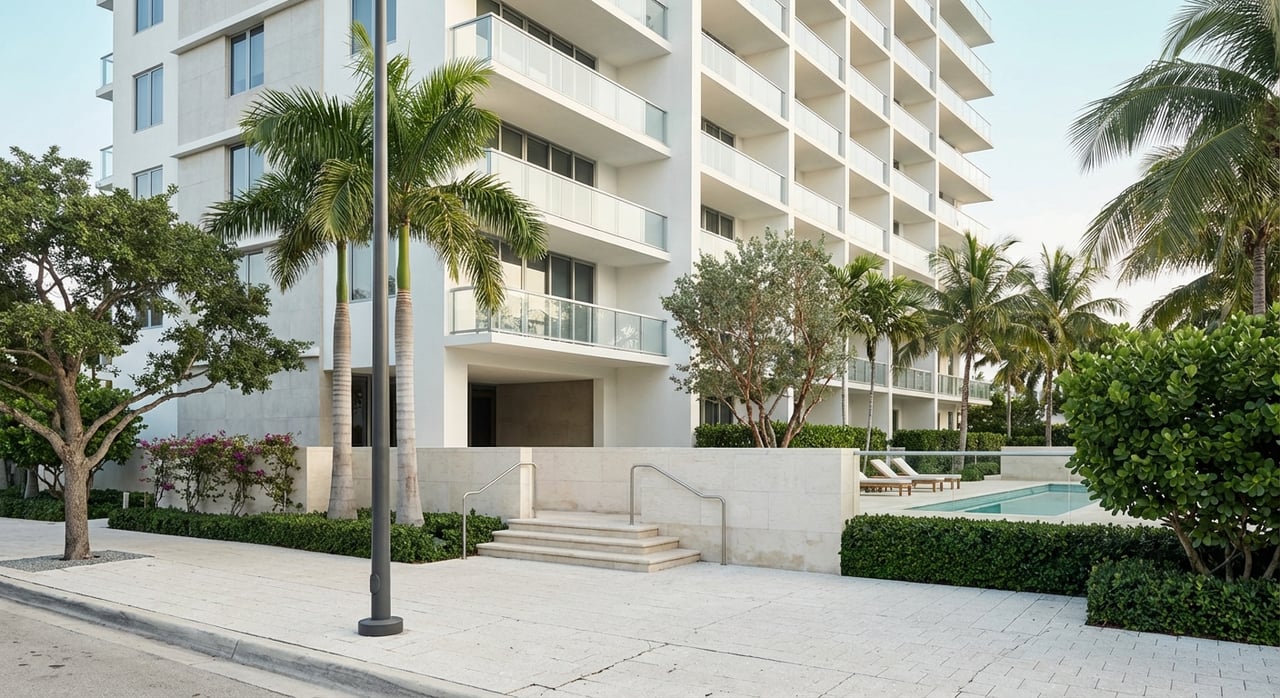
South Beach is a visual mix. You will find preserved Art Deco and Tropical Deco gems in the historic core, low-rise walk-ups and MiMo influences from later decades, and modern luxury towers closer to the water and in South of Fifth. The Art Deco Historic District shapes what can be changed or added in much of central South Beach. Learn more about the district’s character through the Art Deco Historic District overview.
Many full-time residents live in condominiums. Common features include staffed lobbies, package rooms, fitness centers, pools, and security. Some buildings offer valet or covered parking and shared terraces. Association fees vary widely. Older boutique buildings can carry modest dues, while full-service towers with extensive amenities often have higher monthly fees that cover insurance, staffing, and shared utilities. Always review the building’s current budget, reserves, insurance history, and rules before you buy.
Condominiums dominate South Beach’s for-sale inventory. At the county scale, recent reporting shows condo prices rising in several price tiers across Miami-Dade, and Miami Beach figures tend to move with local demand. You can track broad trends in the MIAMI REALTORS market briefs, such as the report on recent condo price increases. For exact building pricing, verify the latest comps and active inventory when you are ready to shop.
Short-term rentals are tightly regulated in Miami Beach. Legal operation depends on zoning, licensing, and building or HOA approval. Many districts prohibit transient stays, and the city actively enforces violations with significant fines. If you plan to rent your unit for short stays, complete address-level due diligence using the city’s resources and your HOA documents. Start with the city’s guide to short-term rental requirements.
Miami Beach has invested in resilience projects like pump stations, raised roads, and seawall upgrades. These programs matter for street access during king tides, future building standards, and insurability. Buyers should evaluate a specific building’s flood zone, elevation, and any completed mitigation. The city’s “Rising Above” portal outlines current projects and homeowner programs. Review the initiatives at Miami Beach — Rising Above.
Plan for recurring costs that can be higher on the coast. In condos, a share of common insurance and maintenance is usually folded into monthly dues. Flood and wind coverage can vary by building, elevation, and construction era. The smartest path is to request insurance quotes for the unit and building, review several years of HOA budgets and reserve studies, and discuss any known capital projects with the association.
A car-free lifestyle is realistic in the core, thanks to walkability, free trolleys, bike share, and regional buses. Many residents still keep a car if they commute to the mainland or prefer off-island shopping. Budget for parking if it is not deeded or assigned in your building. The City of Miami Beach manages residential permits, meters, and garages. Check program details on the city website.
South Beach has a lower share of households with children compared with many suburban areas, and some families look across Miami-Dade County when considering schools. Always confirm school assignments directly with the district. Major medical centers and urgent care options on and off the island serve residents for everyday needs and emergencies. For a city-level snapshot of household structure, see Census QuickFacts for Miami Beach.
If you value a walkable coastal lifestyle, easy access to restaurants and fitness studios, and the ability to treat the beach like your backyard, South Beach may fit you well. Many year-round residents are professionals and downsizers who appreciate convenience and culture. Use the 33139 ZIP profile as a general demographic guide as you compare micro-neighborhoods.
Use this quick list when you tour buildings and review documents:
Building health
Insurance and risk
Lifestyle and logistics
Rentals and rules
Location details
If South Beach sounds like your pace, you deserve tailored guidance that balances design, building quality, and smart negotiation. Our boutique team pairs staging and presentation expertise with a disciplined, data-aware process to help you compare buildings, evaluate HOAs, and secure the best fit for your lifestyle. When you are ready, connect with Brittani Brookins for a calm, concierge-style consultation.
Whether you're a first-time home buyer in search of your dream home, a seller looking to downsize, or an investor looking for a great opportunity, working with a dedicated real estate professional can make all the difference.