Redland Acreage Lifestyle: Space, Orchards & Workshops
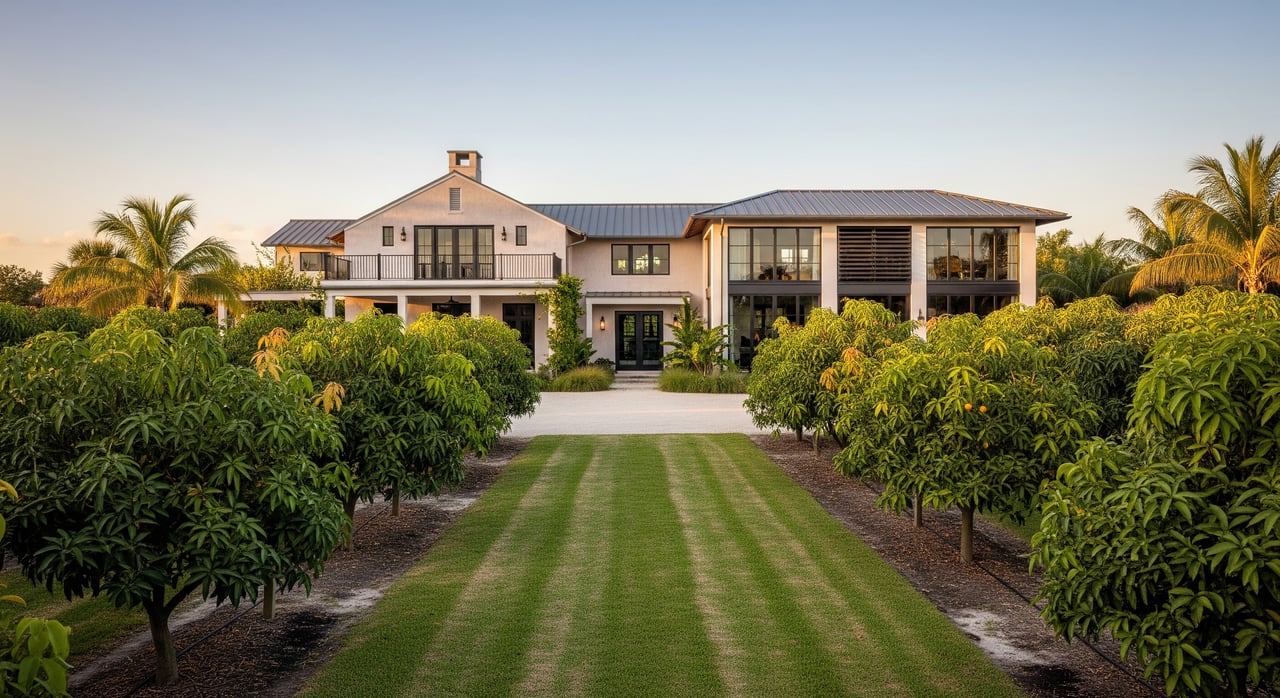
Craving more space than the city can offer? If you picture mornings under mango trees, a workshop that finally fits your tools, and quiet evenings under big skies, Redland might be the lifestyle you want. You also want a clear view of the practical side, from zoning and utilities to storm prep and maintenance. This guide shows you what day-to-day life on acreage looks like in Redland, what is realistic for orchards, guest houses, and workshops, and the due diligence that helps you buy with confidence. Let’s dive in.
Redland sits south and southwest of urban Miami and north of Homestead. It is unincorporated and known for an agricultural, semi-rural character with fruit farms, nurseries, and larger lots. You will find acre parcels and multi-acre properties with a mix of modest ranch homes and custom residences.
The lifestyle centers on space, privacy, and land use. Many owners prioritize gardens, hobby orchards, and outbuildings over dense neighborhood amenities. Expect a slower pace, darker night skies, and a tight-knit farming community. The tradeoff is longer drives for certain services and more hands-on property care.
Acreage living comes with routine tasks that keep your property healthy and enjoyable. You will likely manage mowing, tree pruning, irrigation checks, and fence and driveway upkeep. Pest control and weed management become part of the weekly rhythm, especially if you grow produce.
Seasonally, you prepare for storms, secure outbuildings, and handle cleanup after heavy weather. During the wet season, you watch drainage and adjust irrigation schedules. Owners often rely on a small equipment lineup like a mower, ATV, sprayer, and tool storage to keep the workload efficient.
Redland’s tropical to subtropical climate supports an exciting range of specialty fruits and ornamentals. Mango, avocado, lychee, longan, papaya, banana, and cacao all do well here, along with many tropical ornamentals. If you love growing or culinary projects, a small orchard can become a favorite part of your property.
Irrigation is essential during dry months. Many owners install drip or micro-sprinkler systems and plan for filtration and maintenance. If you plan an irrigation well or significant water use, permits may be required through regional or state agencies, so plan this early in your project timeline.
Hobby orchards commonly range from a few dozen to a few hundred trees. Once you grow beyond that, you start considering packing or processing areas and compliance for commercial sales. For many buyers, a thoughtful hobby scale balances joy, maintenance time, and costs.
South Florida’s climate supports fruit flies, scale, thrips, and fungal issues. Citrus has faced pressure from citrus greening, so diversification is common. Many owners consult local horticultural experts to plan integrated pest management and crop selection that suits their site.
Redland is popular for workshops and barns that support woodworking, automotive projects, metalworking, and equipment storage. Plan for electrical capacity, proper ventilation, and durable flooring. If you use the structure for commercial activity with customers or employees, expect additional zoning and business licensing steps.
Most new structures require county building permits. Setbacks, height, and anchoring standards apply, and inspections verify electrical and structural safety. If you are relocating specialty tools or lifts, confirm power needs and loading before you design.
Accessory dwellings are common in Redland, but they are regulated. Square footage, the number of units, parking, and utility connections are all controlled by county rules. If you hope to convert an existing outbuilding, expect to meet Florida Building Code requirements and health regulations.
Septic capacity and layout often drive feasibility for guest units. Drainfield sizing and soil conditions matter, and permits are required for changes. Before you sketch a floor plan, verify the parcel’s zoning, setbacks, and any deed covenants or restrictions that might limit accessory uses.
Many acreage homes use private wells or have municipal water but no county sewer. Septic systems are common, and a full septic inspection is essential during due diligence. If you plan to expand bathrooms, add a guest house, or run a commercial-grade workshop, make sure system capacity and permits can support your plan.
Power often arrives via overhead lines, and some parcels need service extensions. Many owners choose generators or battery backups for storm season. Internet and cell coverage vary by address, with some locations supported by fiber or cable and others relying on fixed wireless or satellite.
Structures must meet county permitting standards, including wind and flood requirements where applicable. Elevated electric panels, impact-rated windows or shutters, and secure anchoring for outbuildings are practical and often required. Flood exposure varies by parcel, so check mapping and consider elevation certificates where needed.
Hurricane season is June–November. Plan for shutter installation, yard clean-up, and securing equipment before storms arrive. Insurance premiums for acreage properties can be higher than in low-risk areas, and carriers may have guidelines for outbuildings and storage of fuels or chemicals. Quotes early in your process help you budget accurately.
You gain room for vehicles, boats, and projects, along with quiet nights and sky views. You trade walkability and immediate access to urban amenities for larger lots and privacy. Commute times depend on your exact location and traffic. Many Redland buyers accept longer drives in exchange for acreage and the freedom it provides.
Use this list to verify the most important items before you go under contract or during the inspection period:
Start by mapping sun, wind, and drainage across seasons. Choose crops that fit your microclimate and soil, then plan irrigation early. Drip systems and micro-sprinklers conserve water and deliver consistent moisture, which reduces disease stress and improves yield.
Spacing and access rows matter for both maintenance and harvesting. If you plan to sell produce, research the added steps for on-site sales, handling, and marketing. Community networks, parks, and farmers’ markets in the area can help you connect with buyers and local growers.
Decide what you will do inside the space, then design to that function. Woodworking and metalwork need dedicated circuits, dust or fume control, and durable floors. Vehicle and tractor storage benefits from wide doors, clearance for lifts, and concrete pads with proper anchoring.
Place the building to streamline workflow. Keep heavy-use structures close to driveways, plan turning radii for trailers, and consider prevailing winds for ventilation. Secure storage for fuels and chemicals is a safety and insurance priority.
Acreage success begins with zoning verification, utility capacity checks, and a clear plan for your use. When you align property features with your goals, you avoid costly redesigns and delays. The right team helps you coordinate due diligence, understand true costs, and negotiate from a position of strength.
If you are exploring Redland for privacy, orchards, and functional outbuildings, you deserve guidance that respects both your time and your vision. For tailored property searches, verified off-market opportunities, and a coordinated path from inspection to close, reach out to Brittani Brookins for a personal consultation.
Whether you're a first-time home buyer in search of your dream home, a seller looking to downsize, or an investor looking for a great opportunity, working with a dedicated real estate professional can make all the difference.